Osaragada: Emerging Breed of Male Champions for Women’s Rights
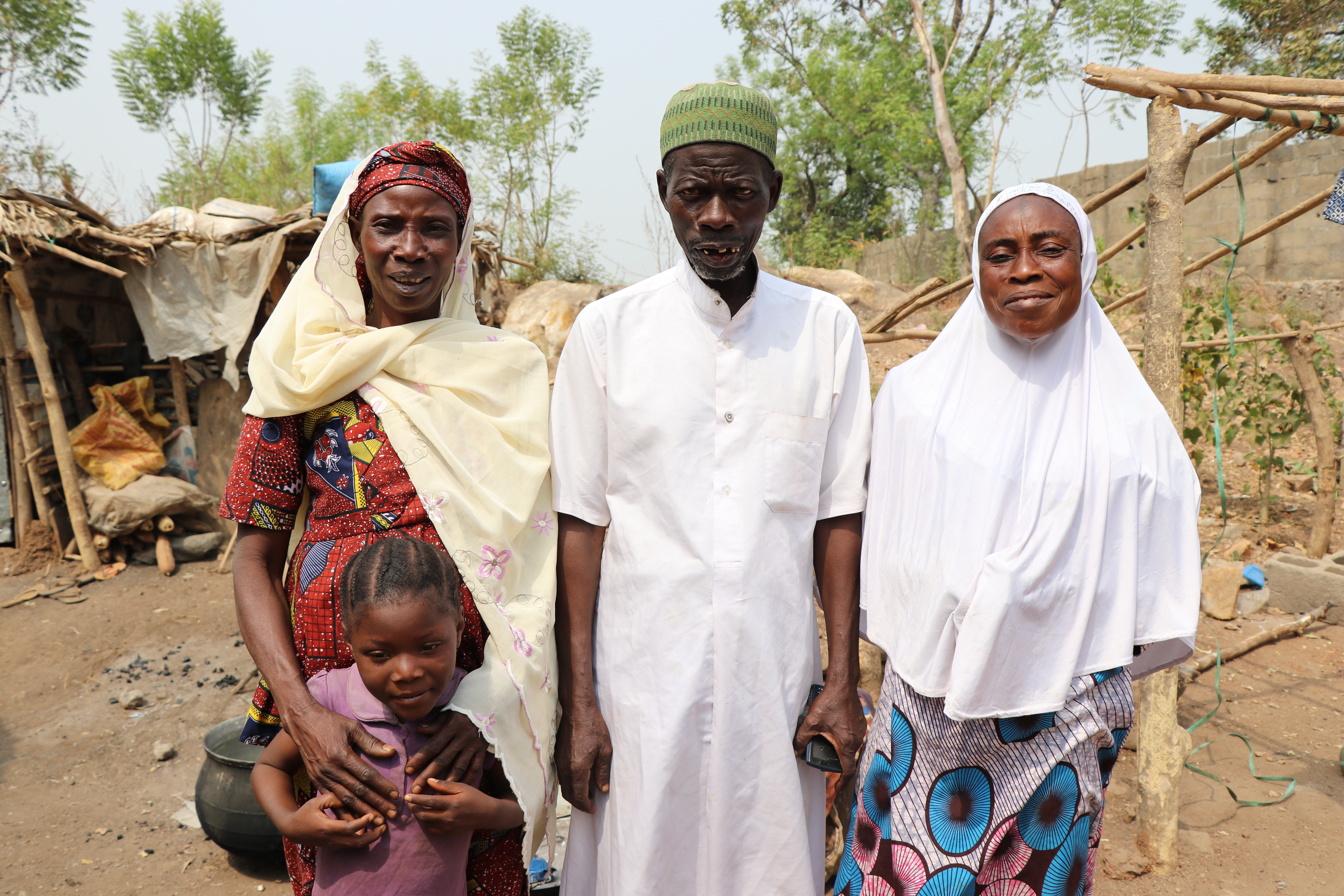
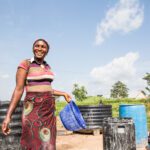
Anase Mommoh’s story could pass for a Nollywood fable. It is a tale of a vulnerable woman who refused to allow her situation of extreme poverty defy her courage to work towards a better life. Anase meandered her way into Osaragada community with nothing but a dusty thick polythene bag containing assortments of her belonging. She knew no one in the community; she had moved from a neighbouring community just to seek refuge in a land she knew no one. No one could take the risk of accommodating a stranger but Sadiku Otaru, 74, the ward head of the community who took the chance.
Otaru is a jolly good man; never struggles to display his contagious loud laughter. He motioned how he easily would have offered to marry Anase who was at the time vulnerable. But no, he recalled how ActionAid through the LRP trained him on gender equality – respecting the rights of male and female: “If not for ActionAid, I would have thought of marrying her (Anase). We were marrying vulnerable women before, but I decided to protect her when she told me her story”. Otaru insists that the LRP poked at their manly ego, but it was for the good of the community: “ActionAid made us to understand the power of women in the community. At first, we (men) were very angry at ActionAid for telling us about gender equality, and they told us not to enslave our wives.” Otaru quickly noted: “As Mary Slessor stopped the killing of twins, ActionAid stopped the maltreatment of women in this community,” he affirms.
Women made little contribution to the community power structure in Osaragada. It was a male-controlled community. That is no longer the case as women now exercise their rights to participate in community meetings and make important decisions like the men.
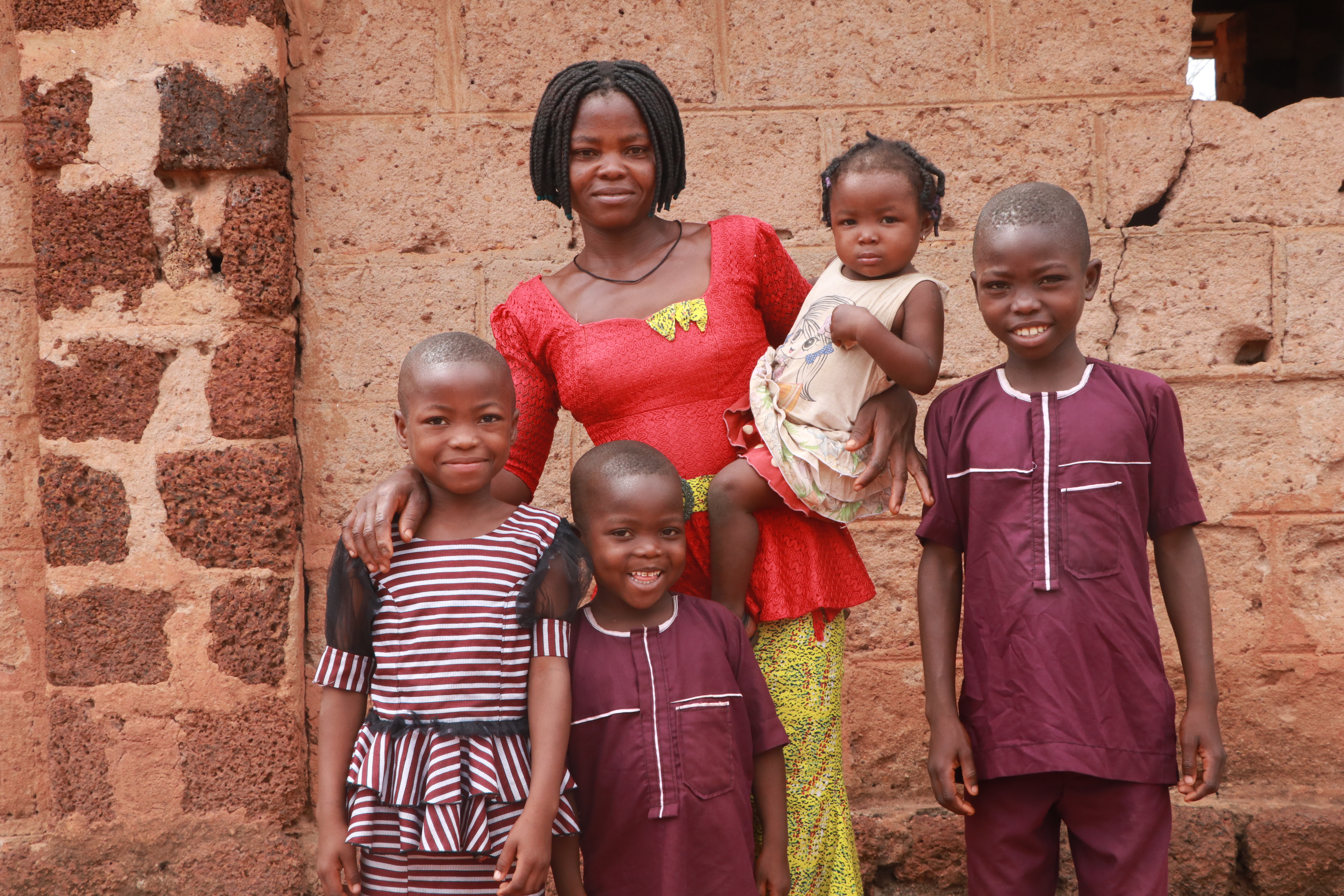
Anase lived with Otaru’s family with her two children for 5 years, working as a farmer on the piece of land in the community. She practised subsistence farming just to feed her children and add to her host’s barn of food. She narrated how she was selected to attend the LRP training on Agro ecology: “I learnt a lot during the training, I learnt about how to space my crops, how to make manure, we were taught so many things I never knew before.” She quips.
The outcome was dramatic; Anase moved from subsistence farming to commercializing her yield. She sold some and kept some for food. Anase made just enough money to build her own 2-bedroom house on a plot of land donated by the community chief, where she now lives with her son.